
Veterinary Bloodwork Care in Middle Island, NY
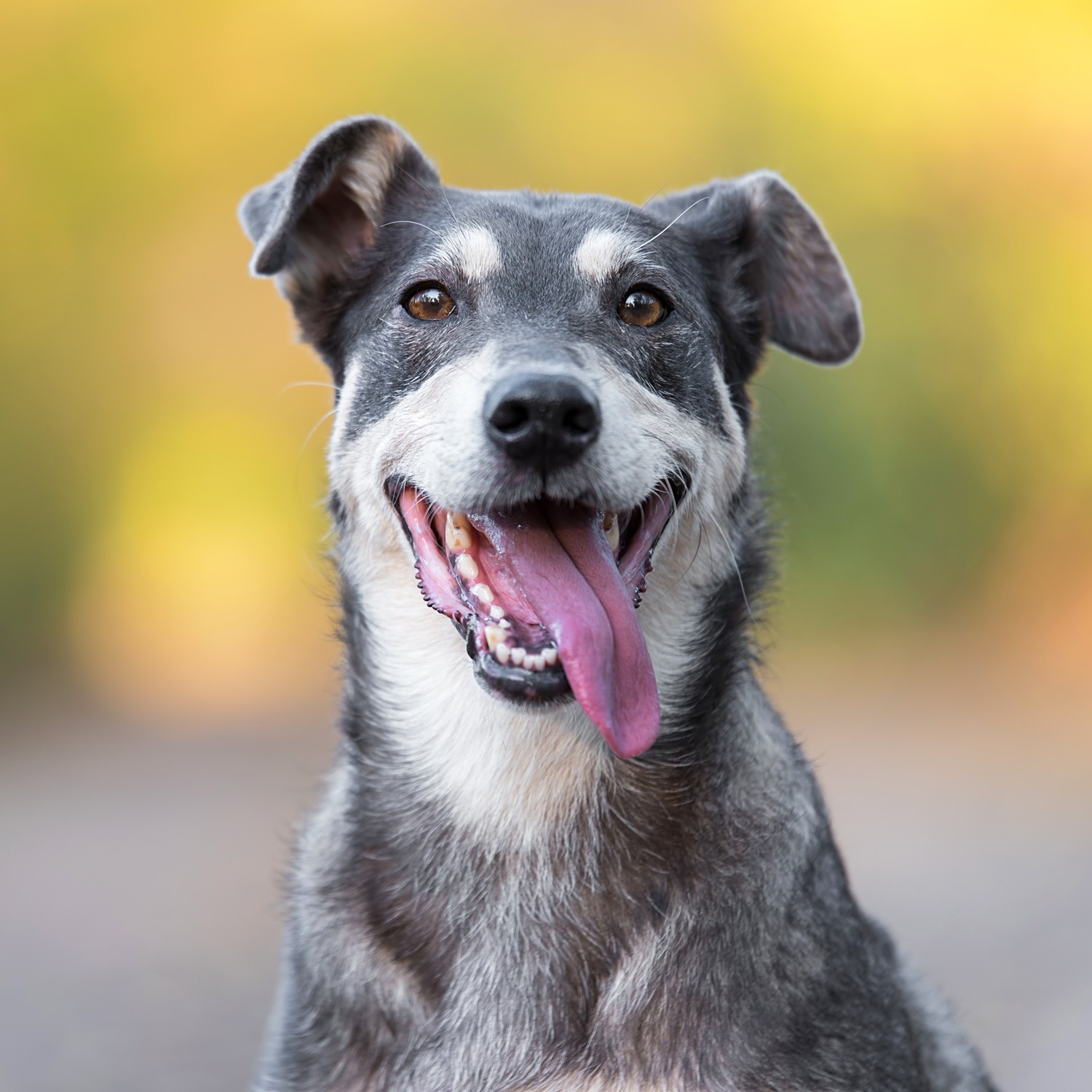
At Wooded Acres Animal Hospital, veterinary bloodwork gives our veterinarians a clear, detailed look at what’s happening inside your pet’s body, information a physical exam alone can’t fully provide. Serving families throughout Middle Island, NY, our team uses blood testing to catch problems early, guide treatment decisions, and give you real confidence in your dog or cat’s care. Whether your pet is due for a routine blood panel or your veterinarian has recommended testing to look into a specific symptom, our in-house laboratory testing lets us move quickly and thoughtfully at every step. We invite you to bring your pet in and see the difference hands-on, unhurried care can make.
What Does Pet Bloodwork Check For?
Bloodwork checks organ function, blood cell counts, hydration, and signs of infection or inflammation, giving your veterinarian a broad view of your pet’s internal health. A physical exam tells us a lot, but many conditions don’t show outward signs until they’ve progressed, and bloodwork fills in those blanks.
- Kidney and liver function
- Red and white blood cell counts
- Blood sugar and electrolyte levels
- Signs of infection, inflammation, or parasites
- Hydration and protein levels
Bloodwork is just one part of the veterinary diagnostics we offer, and because our in-house laboratory keeps everything on-site, our veterinarians can often start talking through results with you the same day.
What Is Included in a Complete Blood Count and Chemistry Panel?
Most bloodwork panels combine two core tests: a complete blood count, which evaluates red cells, white cells, and platelets, and a chemistry panel, which measures organ function, key enzymes, and electrolyte balance.
The complete blood count can flag anemia, dehydration, infection, or clotting problems, while the chemistry panel gives insight into how the kidneys, liver, and pancreas are functioning. Reviewing both side by side gives us a much fuller picture than either test alone.
Why Would My Veterinarian Recommend a Blood Panel?
Your veterinarian may recommend a blood panel for several reasons: as part of a routine wellness visit, to investigate symptoms, to establish a safe baseline before surgery, or to monitor an ongoing condition.
- Annual or semi-annual wellness screening
- Vomiting, lethargy, or changes in appetite
- Pre-anesthetic bloodwork before a surgical procedure
- Monitoring a chronic condition, such as kidney or thyroid disease
- Follow-up testing after a previous abnormal result
- When a pet is on a chronic medication to monitor response and look for side effects
Whatever the reason, we’ll walk you through exactly what we’re testing for and why, so you always understand the plan for your pet.
Is Bloodwork Required Before Surgery or Anesthesia?
Yes. Pre-anesthetic bloodwork is typically required before any surgical procedure to confirm your pet’s organs can safely process anesthesia.
This baseline testing checks kidney and liver values, along with red and white blood cell counts and clotting deficiencies, so your veterinarian can catch any hidden risk factors before your pet goes under anesthesia. For senior pets or those with existing health concerns, this step becomes even more important, since anesthesia recommendations may need to be adjusted based on what the results show.
How Often Should My Dog or Cat Have Routine Blood Testing?
Most healthy adult dogs and cats benefit from routine blood testing once a year, while senior pets and those with chronic conditions often do best with testing every six months. Pets that are on chronic medications may need more frequent testing.
Regular testing establishes a baseline for your pet, which makes it much easier for your veterinarian to spot subtle changes over time. The benefits of annual wellness testing are well documented, and consistent blood testing is one of the simplest ways to protect your pet’s long-term health.
Do In-House Lab Results Come Back the Same Day?
Yes, in most cases. Because we can perform in-house laboratory testing on-site, many routine results are ready the same day, sometimes within the same visit.
This allows our veterinarians to begin discussing findings and, when needed, start treatment right away instead of waiting on an outside courier. We also frequently use our outside reference laboratory in less time critical situations to reduce costs and for some more specialized tests , and in those cases, we’ll let you know when to expect results and follow up as soon as they’re in.
Will My Pet Need to Fast Before a Blood Draw?
Sometimes. Certain tests, particularly those measuring blood sugar or fat levels, are more accurate when your pet hasn’t eaten for eight to twelve hours beforehand.
Not every blood draw requires fasting, though, so our team will always let you know ahead of time if your pet needs to skip a meal before their appointment. If you’re ever unsure, just give us a call before your visit.
Can Bloodwork Detect Illness Before My Pet Shows Symptoms?
Yes! Many common conditions, including kidney disease, diabetes, and thyroid disorders, can develop with no outward symptoms until they’re fairly advanced, and bloodwork often catches them long before that point.
- Early kidney or liver changes
- Diabetes and blood sugar imbalances
- Thyroid disorders in both dogs and cats
- Chronic inflammation or infection
Catching these conditions early usually means more treatment options and a better long-term outcome for your pet.
What Should I Expect During My Pet’s Blood Draw?
A blood draw is typically quick and only requires a small sample, usually taken from a front leg or neck vein.
- A team member gently restrains your pet to keep them comfortable and still
- The sample is collected in just a few minutes
- Your pet is free to relax while the sample is processed or sent out
- Your veterinarian reviews the results with you and explains next steps
We handle every blood draw with a calm, patient approach, especially for anxious or nervous pets, so the experience stays as low-stress as possible.
How Is Bloodwork Different for Senior Pets?
Senior pets often need a broader blood panel that looks more closely at organ function, thyroid levels, and other age-related changes, along with more frequent testing overall.
As pets age, conditions like kidney disease, hyperthyroidism in cats, and joint or metabolic changes become more common. A senior-focused blood panel, paired with regular wellness visits, helps our veterinarians track these changes early and adjust your pet’s care plan as needed. Many pet owners find real reassurance in knowing their aging companion is being watched closely.
Why Choose Wooded Acres Animal Hospital for Bloodwork Care
Choosing where your pet gets tested matters. For nearly 20 years, Wooded Acres Animal Hospital has provided families throughout our community with dependable, compassionate veterinary care. Dr. Jennifer Iannaccone leads our team with both clinical precision and a whole-body approach to medicine, and our associate veterinarians work closely with her to make sure every result is reviewed carefully and explained clearly.
- Nearly two decades of trusted, local veterinary care
- An in-house laboratory for fast, accurate blood testing
- A collaborative team that explains results in plain language
- A calm, unhurried approach for anxious or first-time patients
- A full range of veterinary services under one roof
Whatever your pet needs, from a routine blood panel to more involved diagnostic testing, our team is here to help you understand the results and the plan going forward.

Schedule Your Pet’s Blood Panel at Wooded Acres Animal Hospital
Ready to schedule bloodwork for your dog or cat? Our team is here to answer your questions and find a convenient appointment time. Contact Wooded Acres Animal Hospital today to schedule your pet’s blood panel, and let our veterinarians help you stay ahead of your pet’s health, one test at a time.
From routine wellness panels to more involved diagnostic testing, we’re proud to serve pet owners throughout Middle Island, NY with the same compassionate, thorough care we’ve provided for nearly 20 years.

Need trusted care for your pet?
Call (631) 205-0512 to schedule.

Have a Question?
Call us today, we’re happy to help.